

By Linda Welzenbach Fries
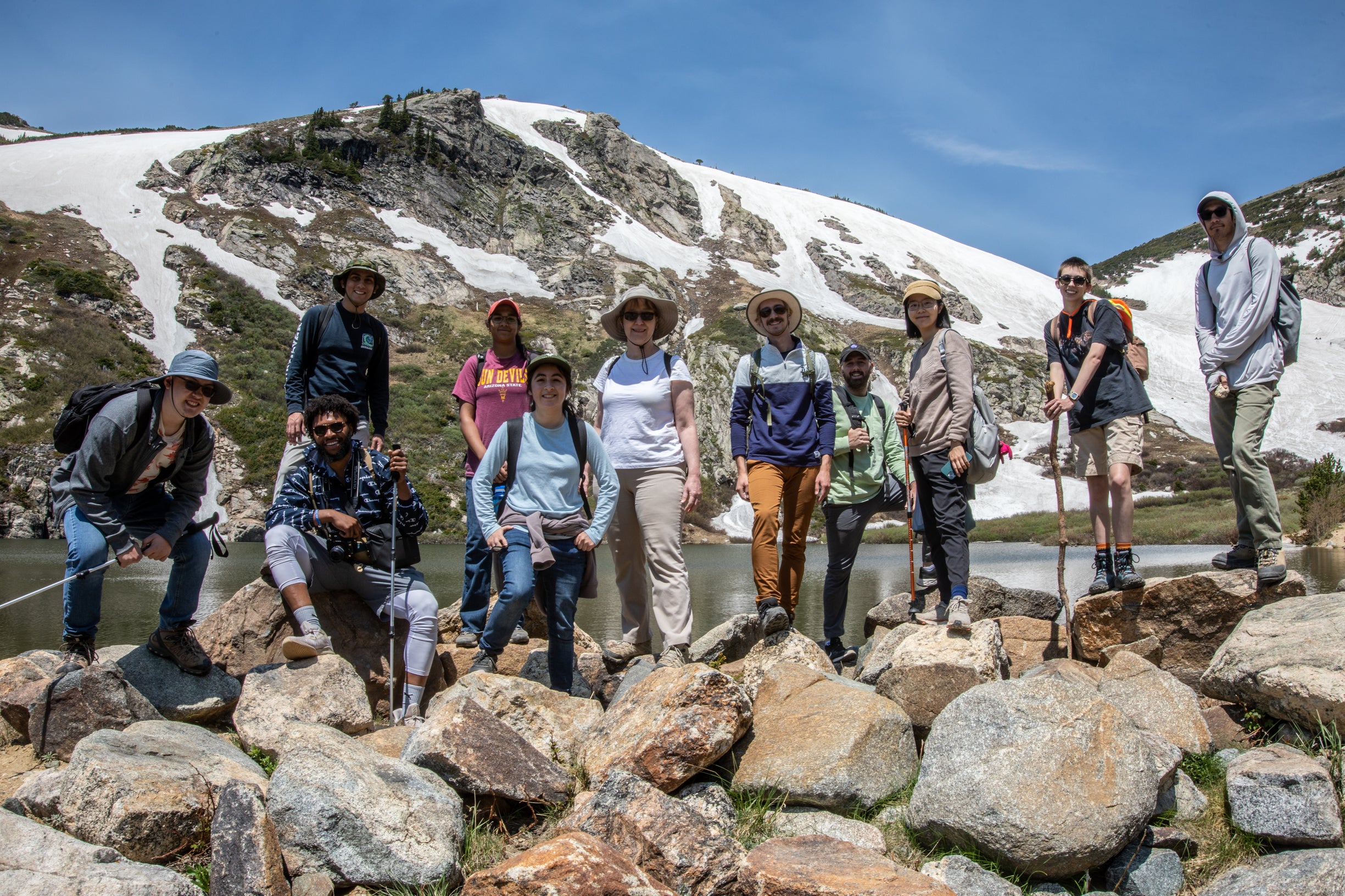
Rice University has officially named Carrie Masiello, W. Maurice Ewing Professor in the Department of Earth, Environmental and Planetary Sciences, as a recipient of the Marjorie Corcoran Award, a distinction that honors faculty members who have made transformative contributions to the advancement of women and underrepresented minorities in STEM.
Nominated by Julia Morgan, the chair of the Department of Earth, Environmental and Planetary Sciences (EEPS), Masiello was selected for her major contributions to mentoring and her commitment to local and national programs that support students in STEM.
Masiello expressed appreciation at being recognized for the value of the teaching and outreach work performed within her department and viewed the award as validation of the effort required to make everyone feel included in the sciences.
A key contribution in Masiello’s recognition is her leadership and evaluation of Research Experiences for Undergraduates (REU) programs. While these programs have long been considered the "gold standard" for increasing persistence in the sciences, Masiello identified a fundamental issue with their traditional structure: scalability. REUs are resource-heavy and serve only a small group of undergraduate students. Specifically, she points out that the full-summer commitment of an REU can be a major barrier to accessibility, as it often requires community college students in particular to sacrifice two full summer semesters of their undergraduate career. Furthermore, the traditional model rarely accommodates students with full-time jobs, as the REU stipend is not a replacement for permanent employment.
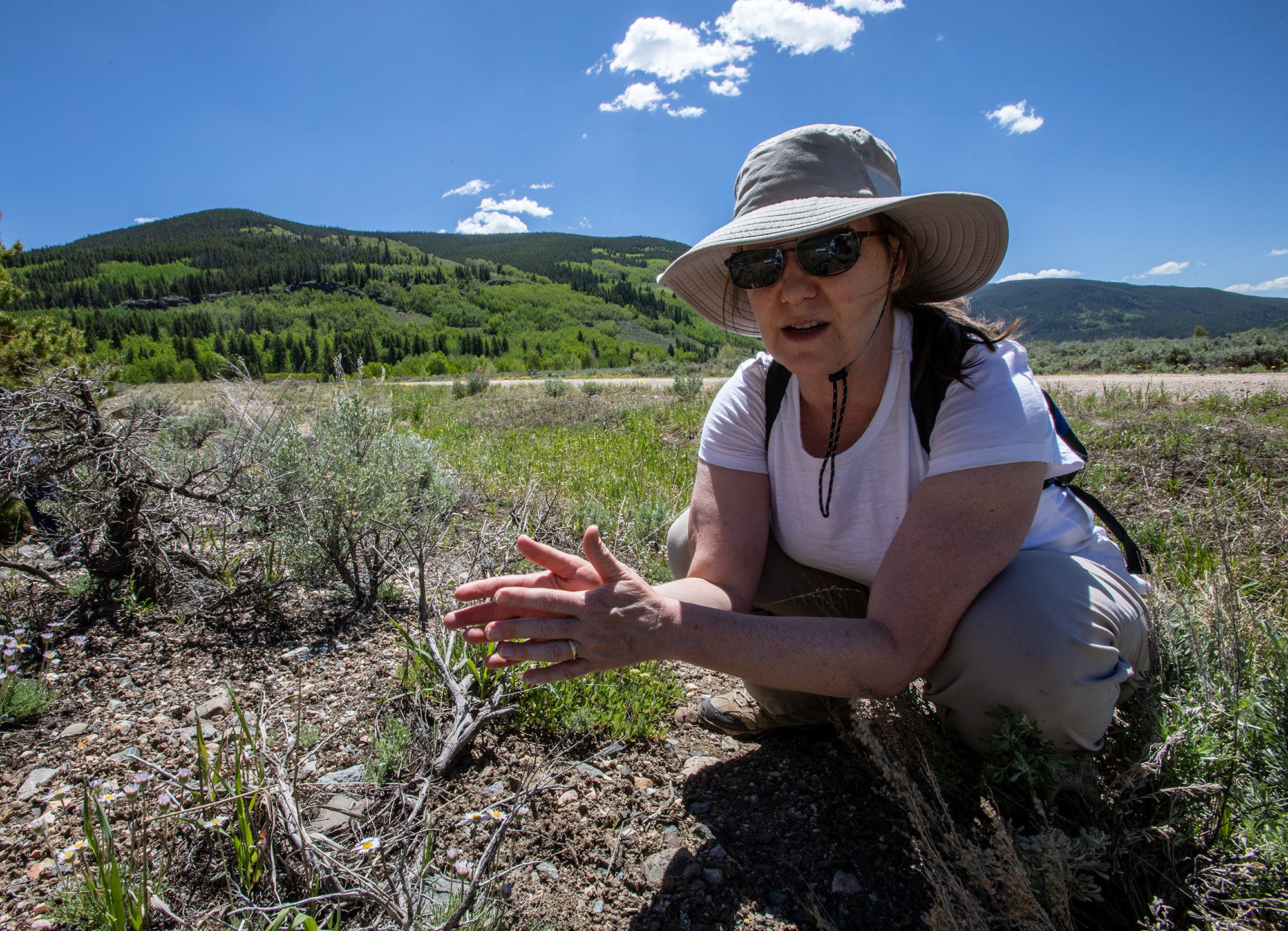
“The REU program is great but gives a whole lot of resources to very few students,” says Masiello.
To address these challenges, Masiello, as Director of the Rice Sustainability Institute, collaborated with Department of Computer Science faculty Dr. Risa Myers to develop the Rice Environmental Data Science Academy, an innovative outreach model [launched with support by Google] designed to scale the benefits of an REU to a much larger population.
"We wanted to start with a really big catchment, and then test at each step to see where markers for persistence in the sciences begin to show changes. That way we can know what the tipping points are for investment." Masiello explained.
The Academy is built around a "funnel" structure that engages with a broad catchment of Houston’s community college students, narrowing as the intensity of the work increases. The strategy starts at the wide end of the funnel, with short duration Saturday events intended to reach as many as 1,000 students, exposing them to the basics of data science and sustainability. From there, the program narrows to full weekend events of short-form deep dives into specific modules for hundreds of students, eventually focusing on a cohort of 50 to 70 individuals for a semester-long Friday afternoon program. The Friday-centric approach is specifically designed for community college students whose institutions typically reserve Fridays for extracurricular activities, allowing students to gain technical skills and a micro-credential as part of a normal semester course load.
Masiello ultimately seeks to, “train entry-level students in data science for Earth and environmental challenges, while simultaneously training graduate students and postdocs to teach these topics rigorously, effectively, and for the broadest audience possible.”
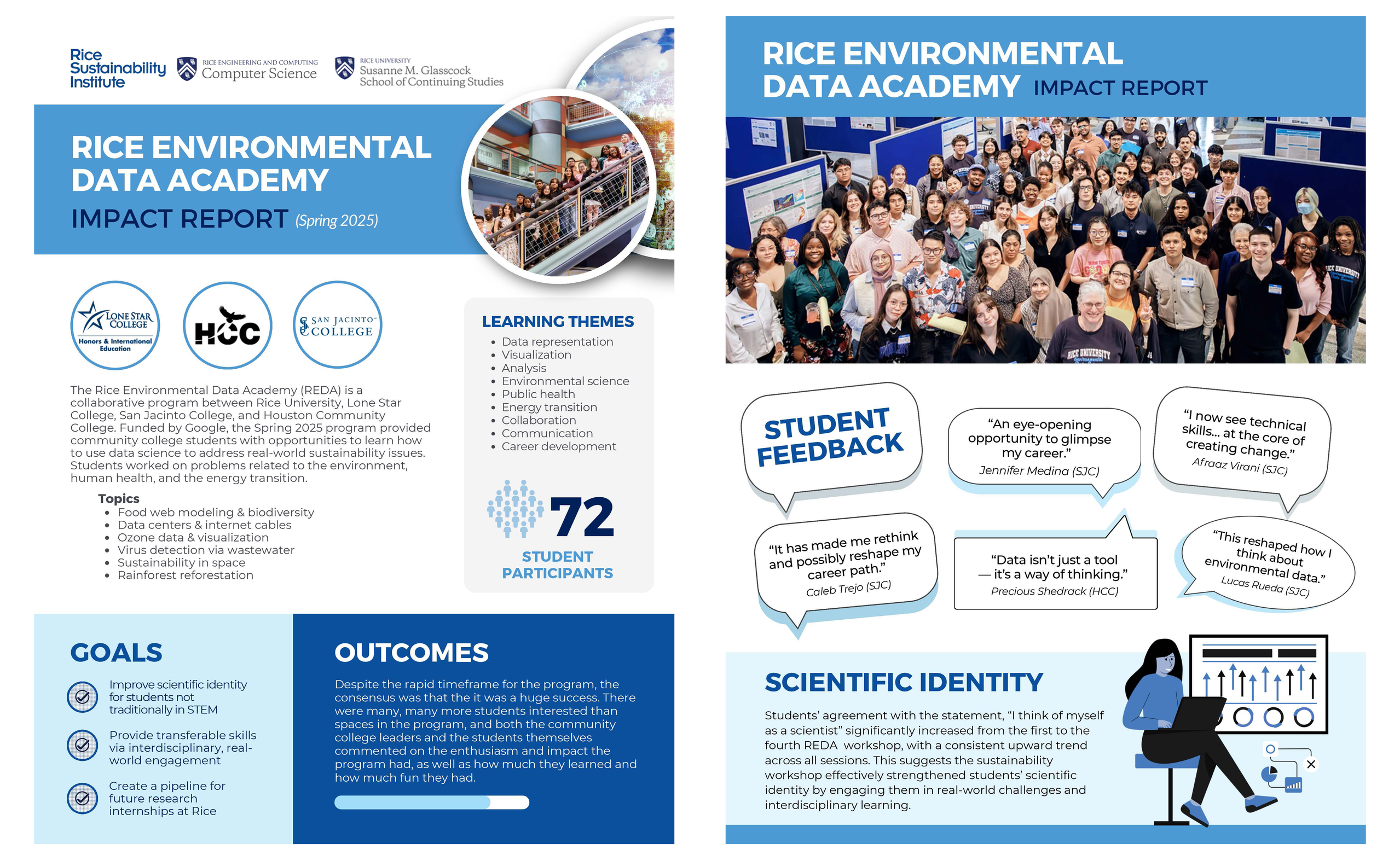
In that vein, the program also provides training for graduate students and postdoctoral scholars, who are paid to serve as teaching assistants and develop subject-specific instructional modules. After undergoing training in collaboration with Rice’s Center for Teaching Excellence, graduate students deliver their modules at the community colleges, gaining valuable pedagogical experience. Training graduate students and postdocs is an essential component of the program because it allows the program to scale up rapidly, reaching many students immediately.
While Google, the initial funder of the program, has shifted its educational priorities, the initiative remains a core part of Masiello's vision for the future of STEM. She currently has three proposals pending to scale this city-wide model, which aims to reach 1,000 undergraduates annually. Through the Marjorie Corcoran Award, Rice University recognizes Masiello’s ongoing work to ensure that data science literacy and environmental science are accessible to the broadest possible pool of Houston’s talent.